In eight weeks over early 2023, the cash circulating in Nigeria fell from 3.2 trillion naira to under 1 trillion. No war, flood or strike caused it. One policy did: a redesign of the naira's biggest notes that cancelled old cash faster than new cash could replace it.
What the redesign tried to do
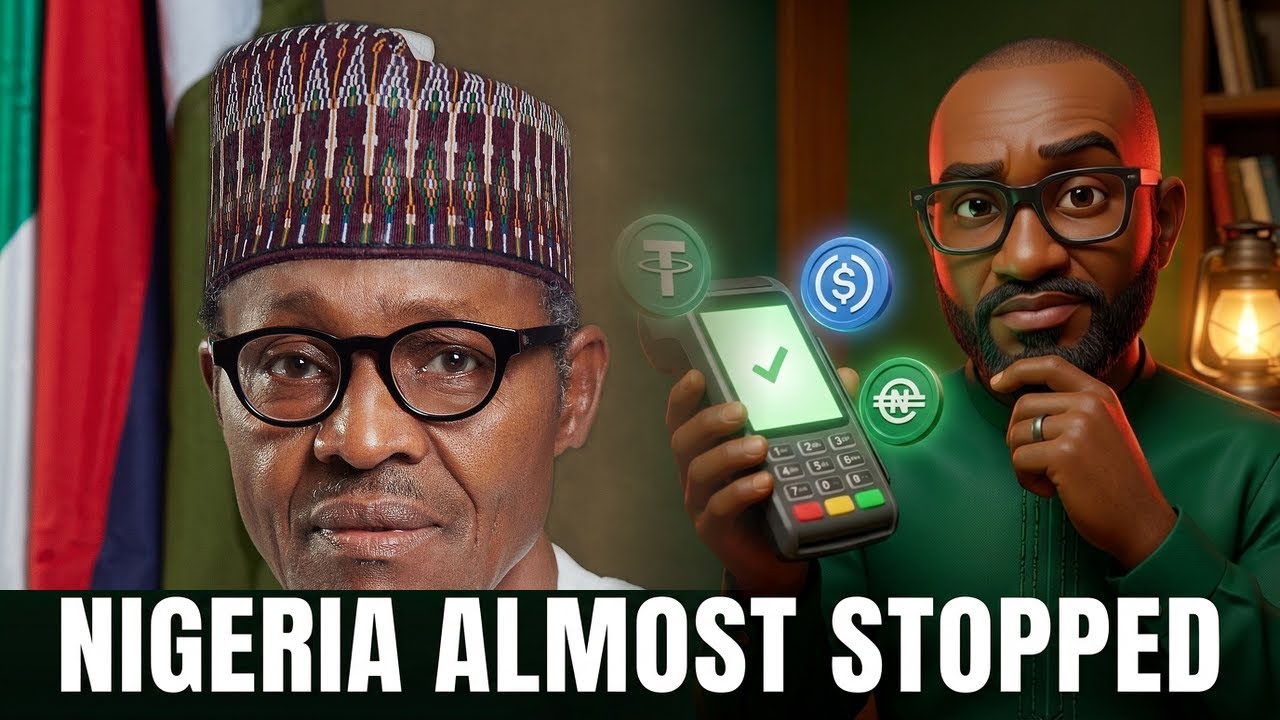
In October 2022, Godwin Emefiele, then governor of the Central Bank of Nigeria (the CBN, the institution that prints the naira), announced that the 200, 500 and 1,000 notes would be redesigned, and that the old versions would stop being legal tender, meaning money the law forces a shop to accept. Economists call this demonetization: the central bank cancels existing notes and forces everyone to swap them. The stated goals sounded clean. Pull hoarded cash into the banks, make counterfeiting harder, and make it harder to move bags of cash to buy votes before the February 2023 election. President Muhammadu Buhari backed the plan fully.
It was a search for money a single announcement could not freeze.
Why the swap broke the country
By the CBN's own figures, about 2.7 trillion of the 3.2 trillion naira in circulation sat outside the banking system, in homes and shops. Nigerians got until the end of January 2023 to swap it.
Where Nigeria's cash lived before the swap
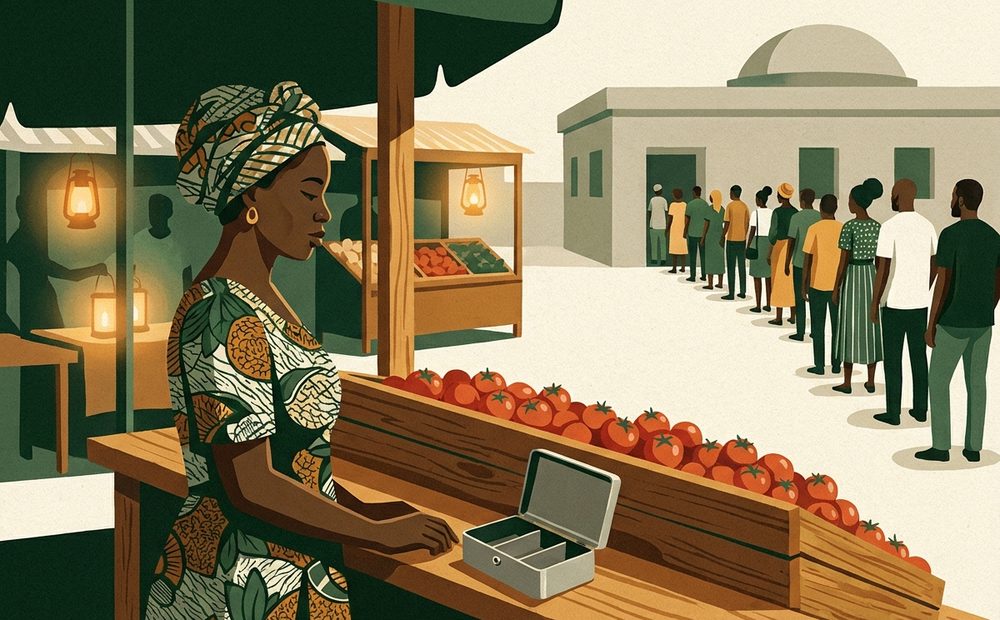
Old notes flowed into the banks far faster than new notes came out, because not enough fresh cash had been printed. Queues ran for hours. POS agents, the kiosk operators who dispense cash on a card machine, charged 20 to 30 percent to hand people their own money. In some towns, bank branches were attacked. Bank apps buckled as the whole country tried to go digital at once, and transfers failed halfway. The eNaira, the CBN's official digital currency launched in 2021, existed for exactly this moment, but few Nigerians trusted or used it.
The court overruled the central bank
The crunch peaked in late February 2023, the same weeks Nigerians voted in a presidential election. In March 2023 the Supreme Court ruled that the old notes must stay legal tender until the end of December 2023, effectively overruling the central bank. The old notes returned and the panic eased. Emefiele was suspended and arrested in mid 2023 after a new government took office, and Yemi Cardoso became CBN governor in September 2023. The queues are gone. The dent in public trust is not.
How money habits changed
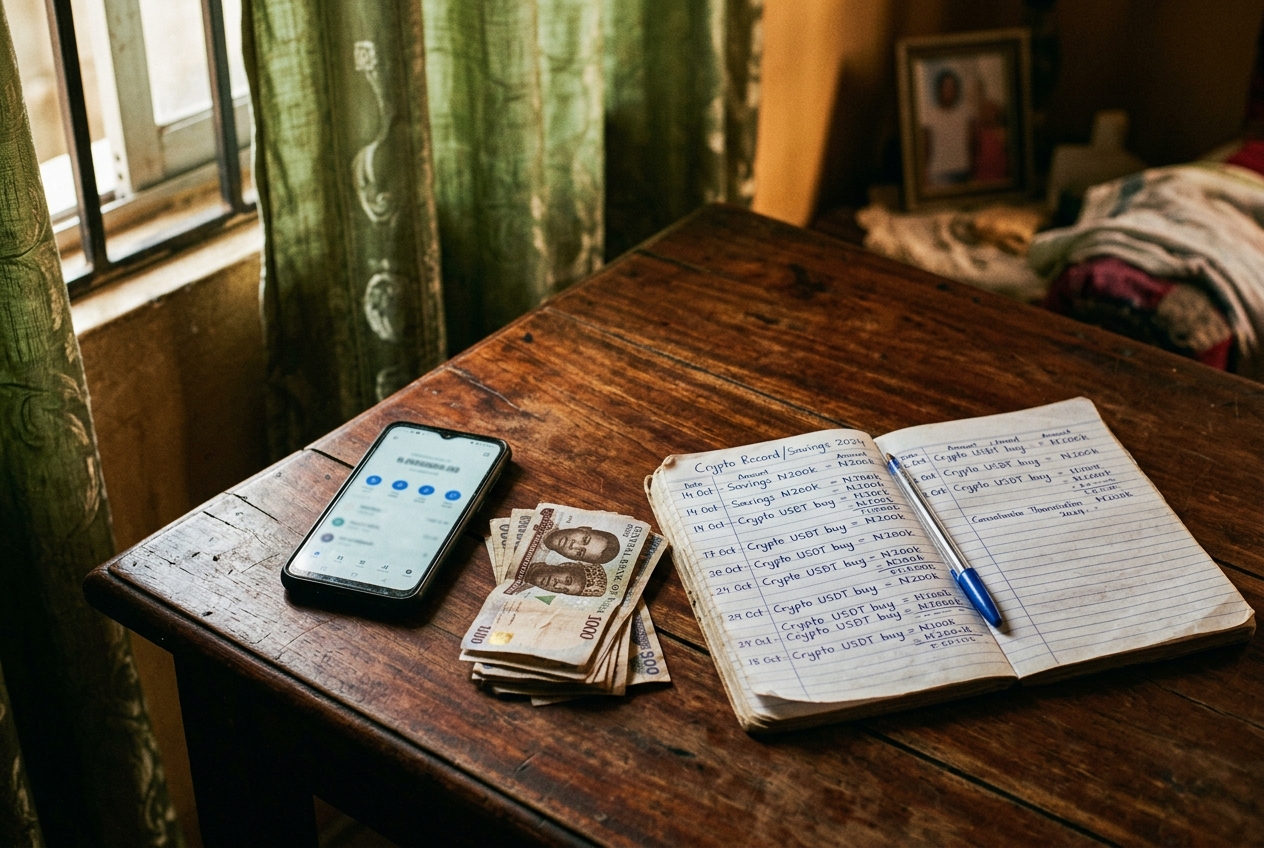
The crisis hit both ends of the remittance corridor. Families abroad could send money that arrived in seconds, yet their people at home could not turn it into one spendable note. That experience pushed many Nigerians, at home and abroad, toward money that lives on a screen. Between July 2023 and June 2024, Nigeria recorded about 59 billion dollars in crypto inflows, much of it in stablecoins, digital tokens built to hold the value of one US dollar, according to data cited by the IMF. Much of that was not profit chasing. It was a search for money a single announcement could not freeze.
What it means for your naira
The lesson is not to run into crypto, which carries steep risks of its own. It is about form and access. Notes under a mattress face two threats at once: a policy can freeze them, and inflation can eat them. The naira traded near 450 to the dollar on the official window across 2022, then moved roughly between 1,400 and 1,600 at points in 2024 and 2025 after the mid 2023 float. Money parked where it can move and grow holds up better than a pile of notes. A mutual fund, a pool where many people's money is invested together by managers, or a treasury bill, a short loan to the government that pays interest, is reachable through a bank app, a broker app or an asset manager's fund. Broad funds that spread across many companies are the steady core, and single stocks are a small optional extra nobody has to touch. Bottom line: keep the notes you need for daily life, and let the rest sit where no overnight announcement can lock it away. This is education, not advice.
Sources
- Nigeria’s $59bn crypto inflows raise new risks for monetary policy, says IMF - Businessday NG. Businessday NG Accessed 22 Jun 2026.
- Nigerian naira - Wikipedia. Wikipedia Accessed 22 Jun 2026.
- IMF Reveals Naira's True Value Against USD as Nigerian Currency Strengthens After FX Reforms - Legit.ng. Legit.ng Accessed 22 Jun 2026.
Spotted something wrong? Report a correction. Every fix is logged in the open corrections record.