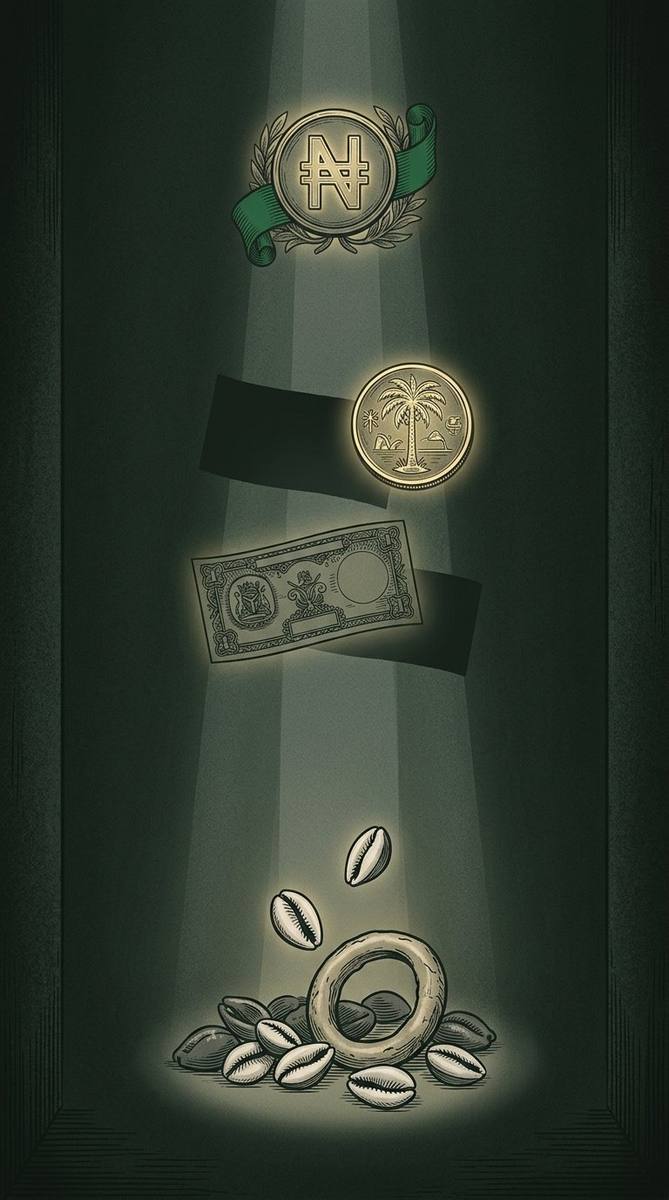
A visual history of money in Nigeria
Every form of money this land has used.
From cowrie shells counted by the string, to a colonial pound minted in London, to the naira born on the first day of 1973. Scroll, and time moves with you. Every claim here carries a real source, and where the record is thin, we say so plainly.
Before coinage
Shells and rings
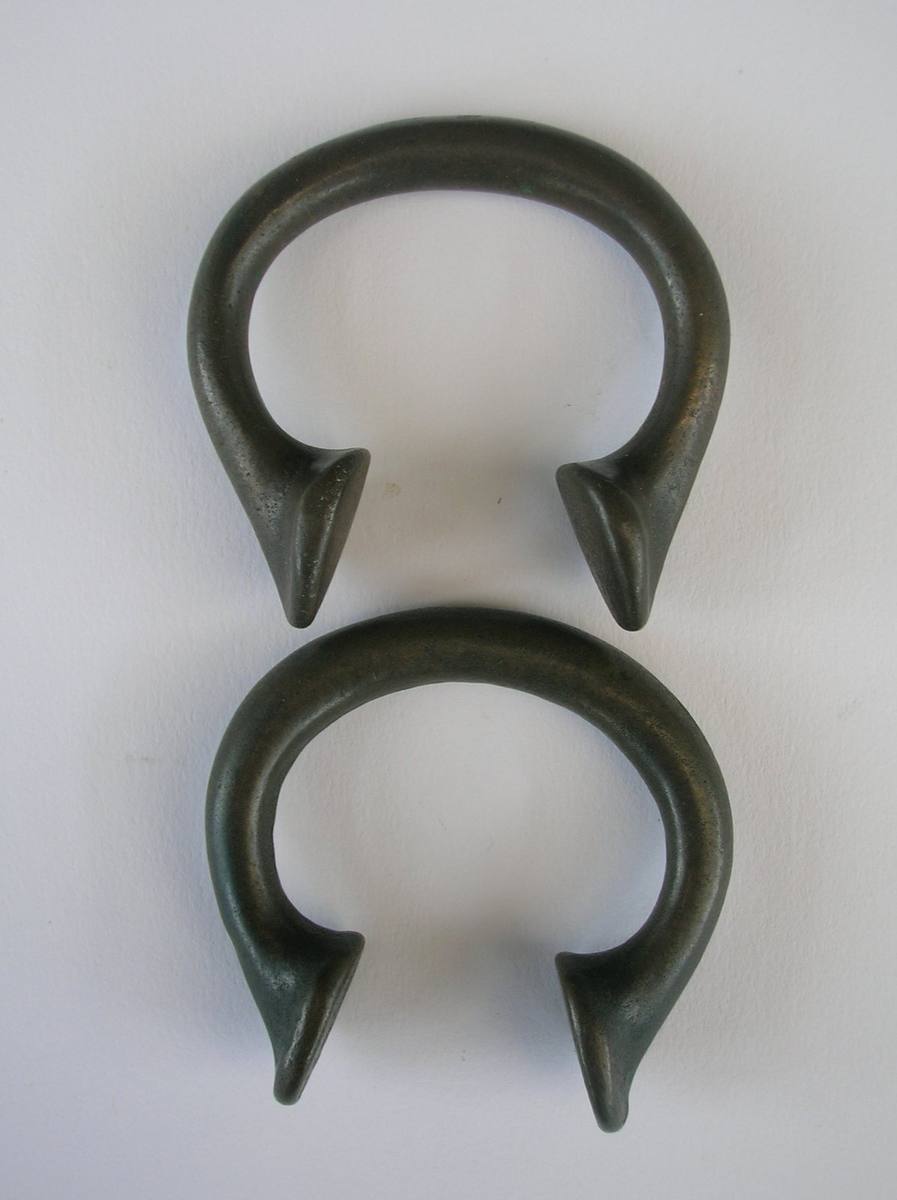
Long before any government minted coins here, people across what is now Nigeria and the West African coast used cowrie shells, manilas, and brass rods as money. The cowrie became the first that worked across the whole sub-region.
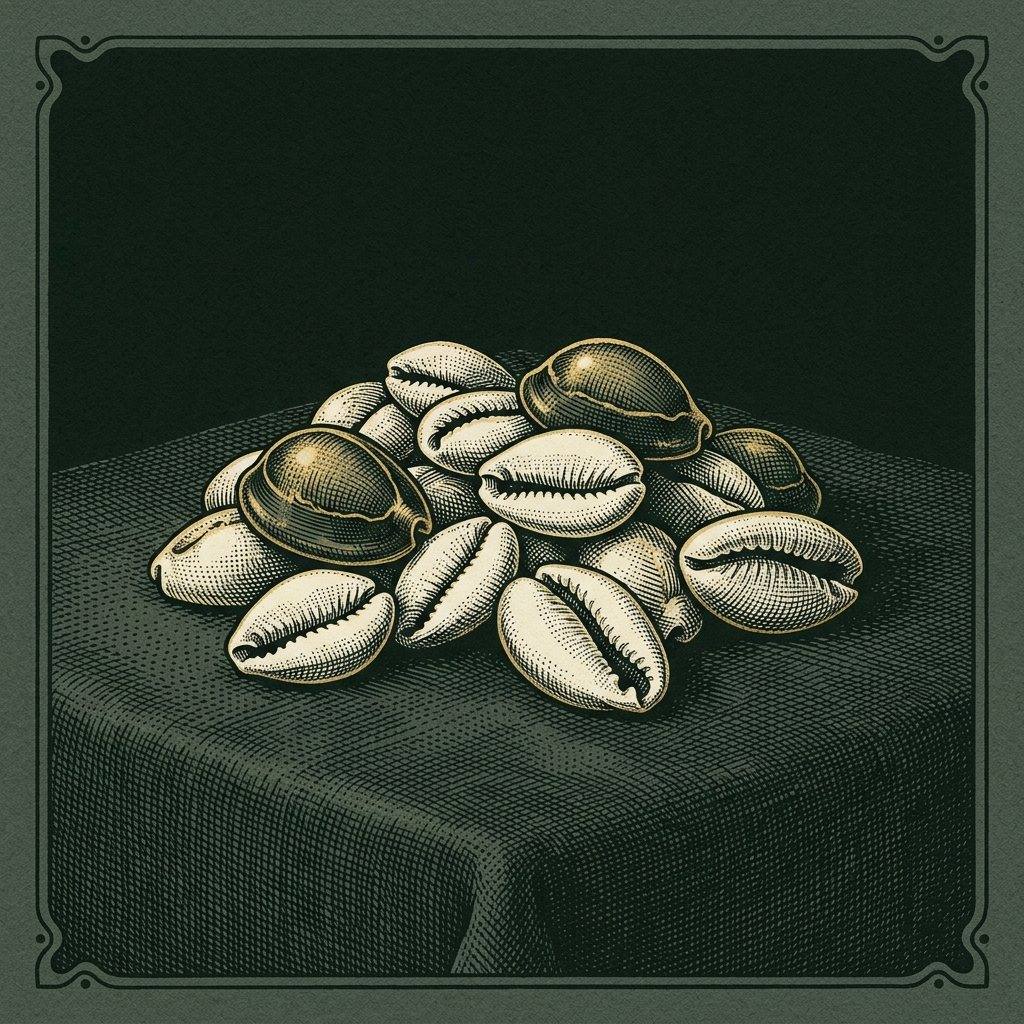
The Central Bank of Nigeria records that the cowrie served for centuries as an important form of currency, and that in 1860 a counting system was in use: 40 cowries formed a string, 50 strings made a head, and 10 heads comprised a bag. In Lagos in 1865, one bag of 20,000 shells was exchanged for one or two English pounds.
Central Bank of Nigeria, 'Before 1959' accessed 19 Jul 2026
Marion Johnson's two-part study in the Journal of African History documents the cowrie currency area across West Africa, the shells' import from the Indian Ocean, transport costs, and the arithmetic of counting them.
Marion Johnson, 'The Cowrie Currencies of West Africa', Journal of African History, 1970 accessed 19 Jul 2026
G. I. Jones identified three main indigenous monetary regions in Southern Nigeria by the start of the 20th century: the cowrie zone, the manilla zone, and the brass-ingot zone.
G. I. Jones, 'Native and trade currencies in Southern Nigeria', Africa, 1958 accessed 19 Jul 2026
Walter Ofonagoro describes manillas as horseshoe-shaped pieces of brass, bronze, or iron, and records pre-colonial valuations such as the Perekule manilla at 3 pence and the Prince manilla at three-quarters of a penny.
Walter I. Ofonagoro, 'From Traditional to British Currency in Southern Nigeria', Journal of Economic History, 1979 accessed 19 Jul 2026
Where the record is thin The 1865 Lagos exchange rate (one bag for one or two English pounds) appears on the Central Bank of Nigeria's own compilation. The academic literature corroborates the cowrie counting system itself, but the exact 1865 figure could not be traced to a primary document.
Shillings and pence
A colonial ordinance introduces British coin
In 1880 a colonial ordinance made British shillings and pence the legal tender of British West Africa. The Bank of England managed the coins, and the private Bank for British West Africa distributed them, until the West African Currency Board took over in 1912. The shilling's reverse carried a palm tree, the emblem that would later mark the Board's own notes.
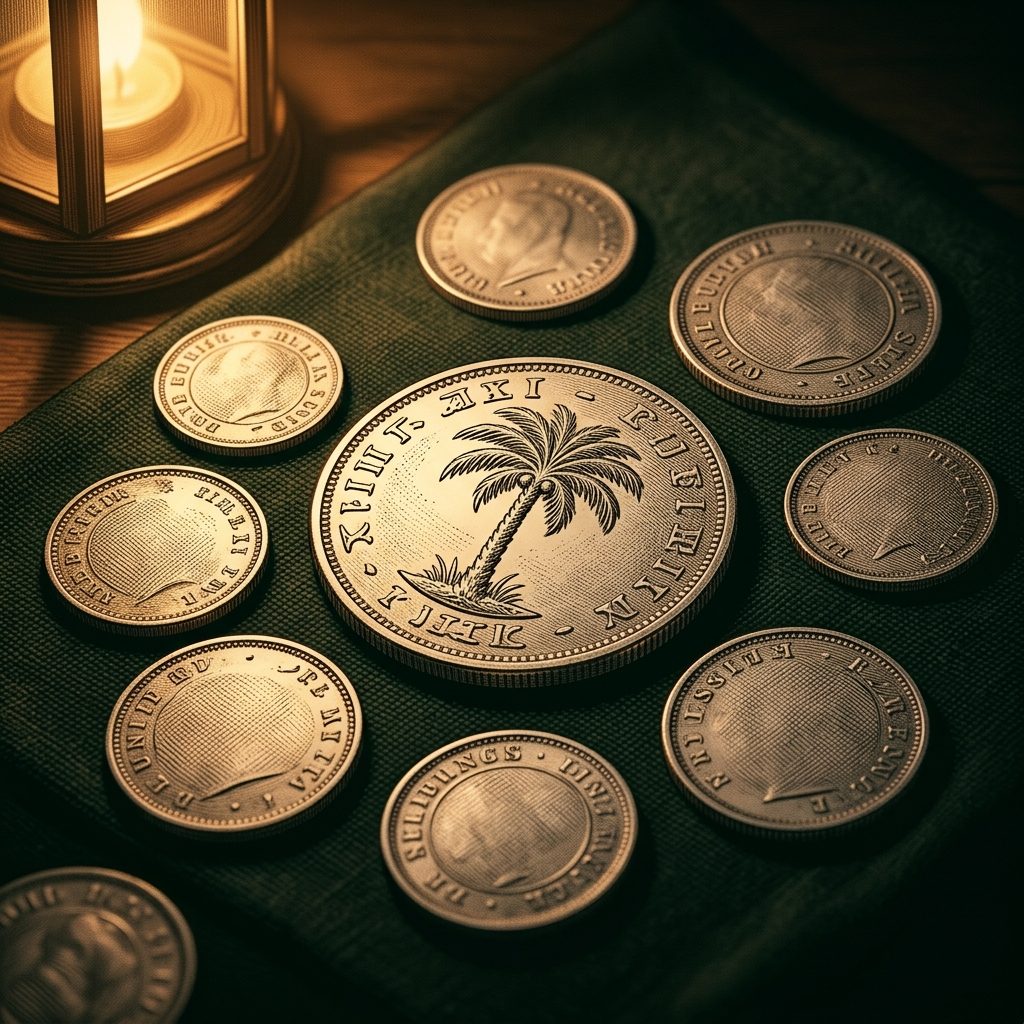
The Central Bank of Nigeria states that the first major currency issue in Nigeria followed the colonial ordinance of 1880, which introduced shillings and pence as legal tender in British West Africa. The coin units were one shilling, one penny, a halfpenny, and a tenth of a penny, managed by the Bank of England and distributed by the Bank for British West Africa until 1912.
Central Bank of Nigeria, 'History of Nigerian Currency' accessed 19 Jul 2026
Ofonagoro's archival research dates the measure precisely: a minute by Governor Ussher in Accra on 8 May 1880, with a public notice of 11 May 1880, so that from 21 May 1880 only British silver coins would be accepted as legal tender by the government of Lagos.
Walter I. Ofonagoro, Journal of Economic History, 1979 (citing Colonial Office records CO/147/41) accessed 19 Jul 2026
Where the record is thin The Central Bank frames 1880 as a single colonial ordinance, while the academic literature describes it more precisely as a series of public notices and administrative actions by Governor Ussher. The substance, British silver becoming the official legal tender in 1880, is well-attested.
Forcing the new coin
Two embargoes, not one
To push people onto British coin, the colonial government banned imports of the old currencies: manillas in 1902, cowries in 1904. Both kept circulating for decades anyway.
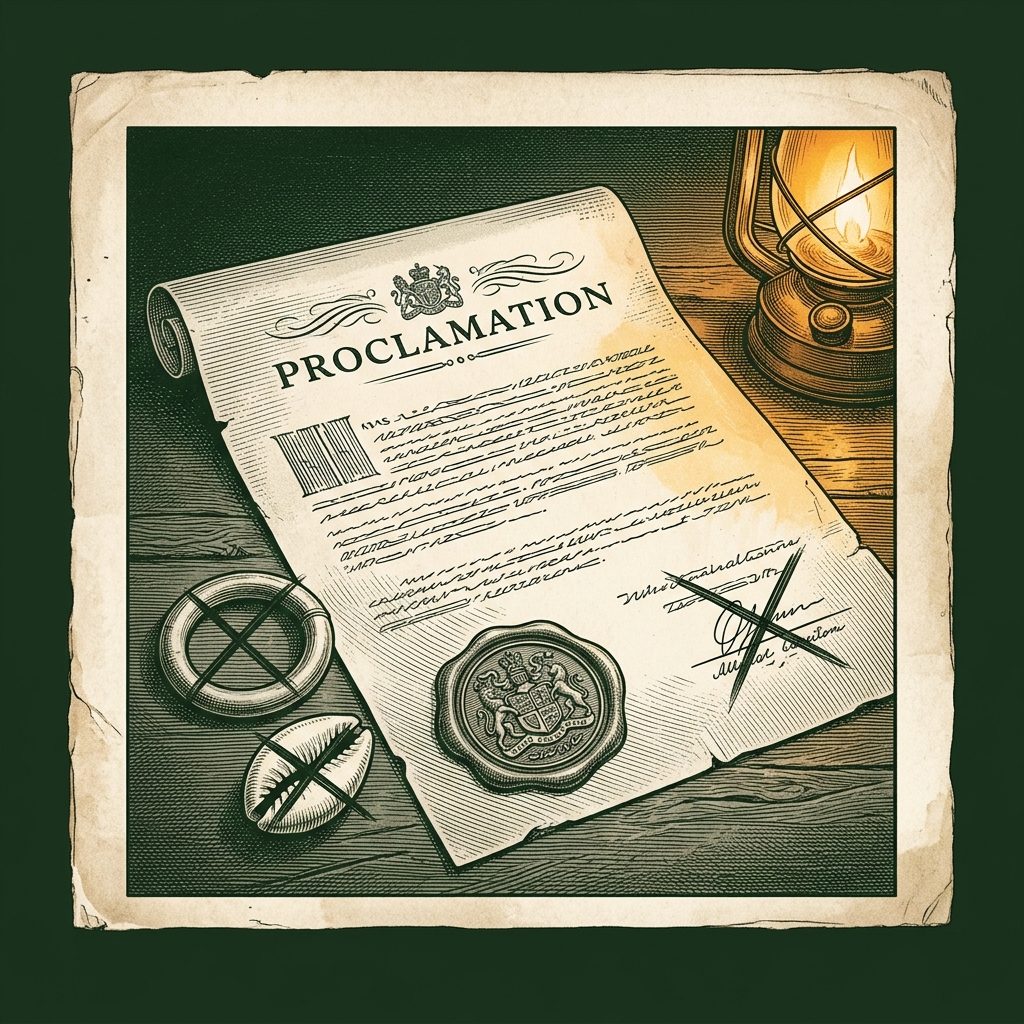
The Native Currency Proclamation of 1902 in Nigeria prohibited the import of manillas except with the permission of the High Commissioner, to encourage the use of coined money.
Wikipedia, 'Manilla (money)' accessed 19 Jul 2026
Ofonagoro identifies the cowrie ban specifically as the Importation of Cowries Prohibition Proclamation, No. 6 of 1904, effective 1 June 1904, with a penalty of a 50 pound fine or three months imprisonment.
Walter I. Ofonagoro, Journal of Economic History, 1979 accessed 19 Jul 2026
The Ashmolean Museum at the University of Oxford records that in 1902 the import of manillas was prohibited unless authorised by the colonial government, but that local people kept using them well into the 1940s.
Ashmolean Museum, University of Oxford, 'A Brass Manilla from West Africa' accessed 19 Jul 2026
Where the record is thin Some popular summaries fold both bans into a single '1903 embargo'. The sources found give two separate dates, 1902 for manillas and 1904 for cowries, not one combined date.
The West African Currency Board
One pound for four colonies
From London, the West African Currency Board issued the British West African pound, at par with sterling, for Nigeria, the Gold Coast, Sierra Leone, and the Gambia. It held 100 percent sterling reserves behind every note and coin.
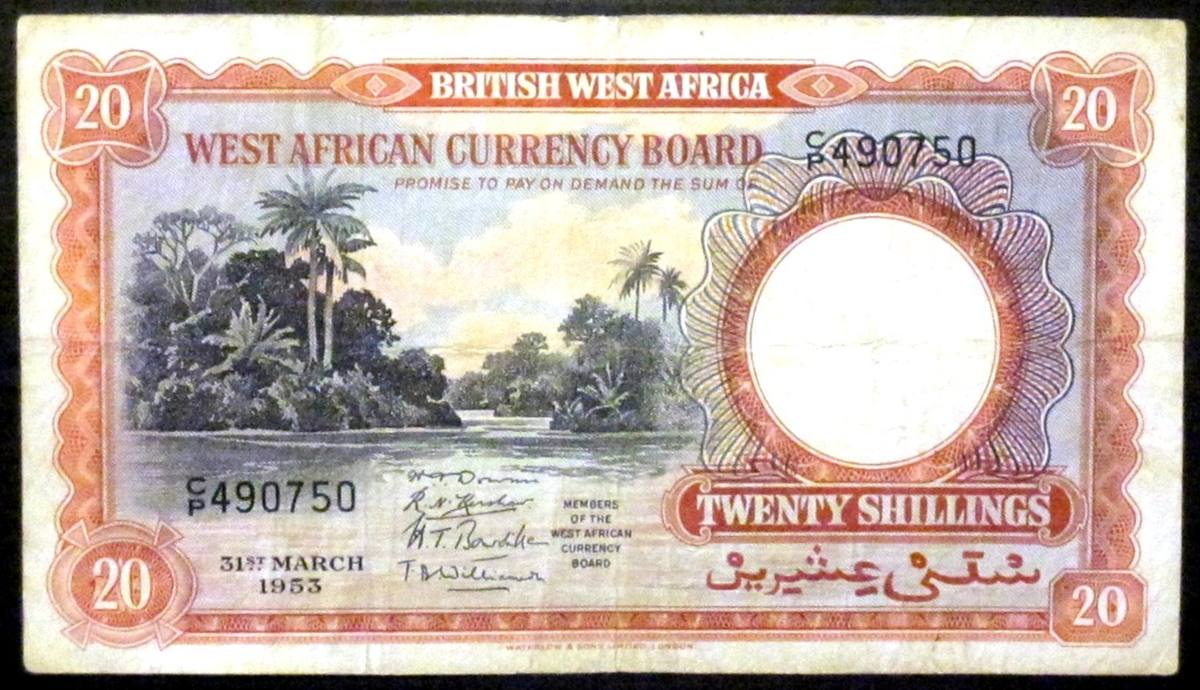
The Central Bank of Nigeria states that from 1912 to 1959 the West African Currency Board issued the first set of banknotes and coins in Nigeria, Ghana, Sierra Leone, and the Gambia, with the highest banknote denomination at one pound and the highest coin at one shilling.
Central Bank of Nigeria, 'History of Nigerian Currency' accessed 19 Jul 2026
The Board was a bank of issue headquartered in London, issuing the British West African pound at par with the pound sterling, and was the first currency board serving British colonies, used as a model for later ones.
Wikipedia, 'West African Currency Board' accessed 19 Jul 2026
Leigh Gardner's study in African Studies Review records that the British government opted in 1912 to establish a separate currency, the West African pound, for the four colonies, issued by the Board in London only in exchange for an equal sterling deposit, which tied up funds that might have been used for local development.
Leigh Gardner, African Studies Review, 2022 accessed 19 Jul 2026
The Board introduced notes for two shillings, ten shillings, and twenty shillings (one pound) in 1916, a one-shilling note in 1918, and a one-hundred-shilling (five pound) note in 1953. The last notes were produced in 1962.
Wikipedia, 'British West African pound' accessed 19 Jul 2026
Where the record is thin The Board was established in 1912 and began operations in 1913, so both dates appear in sources. It was formally dissolved in 1965, not 1959. The year 1959 marks when Nigeria withdrew and the Central Bank of Nigeria took over issuing Nigerian currency.
Operation Manilla
Buying back the old rings
In 1948 the colonial government bought back more than 32 million manillas from southeastern Nigeria, swapping them for British West African currency. Manillas stopped being legal tender on 1 April 1949, though people could keep up to 200 for ceremonies.
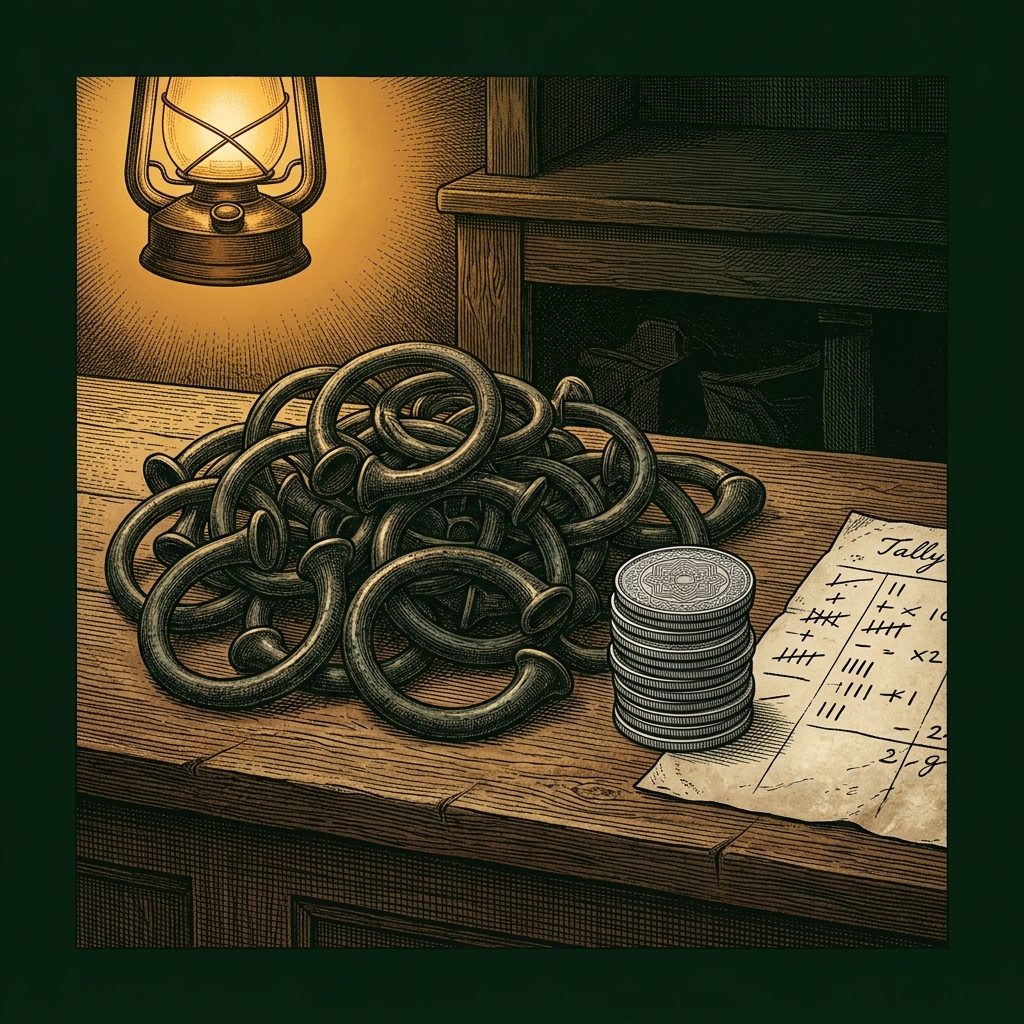
Wikipedia records that the 1948 recall, dubbed Operation Manilla, bought up over 32 million pieces and resold them as scrap. Manillas ceased to be legal tender in British West Africa on 1 April 1949 after a six-month withdrawal. People were permitted to keep a maximum of 200 for ceremonies such as marriages and burials. The Okpoho type was bought in at 3 pence, and the exercise cost the taxpayer around 284,000 pounds.
Wikipedia, 'Manilla (money)' accessed 19 Jul 2026
The Ashmolean Museum confirms that in 1948 a major recall was launched and nearly 32 million manillas were bought against money issued by the West African Currency Board.
Ashmolean Museum, University of Oxford accessed 19 Jul 2026
Ben Naanen's study in the Journal of African History argues that fluctuating manilla exchange rates, driven by world palm-product prices and the wartime and postwar cash influx, made demonetization through redemption inevitable, completing the colonial state's economic control of Nigeria.
Ben Naanen, 'Economy within an Economy: the Manilla Currency', Journal of African History, 1993 accessed 19 Jul 2026
Where the record is thin The detailed piece counts and the 284,000 pound cost come from Wikipedia. The likely primary source is the United Africa Company Statistical and Economic Review of September 1949, which Naanen's peer-reviewed article cites, but the exact figures were not verified against that document directly.
The Central Bank of Nigeria
Nigeria issues its own money
On 1 July 1959 the Central Bank of Nigeria issued its own banknotes for the first time, and the West African Currency Board's notes and coins were withdrawn.
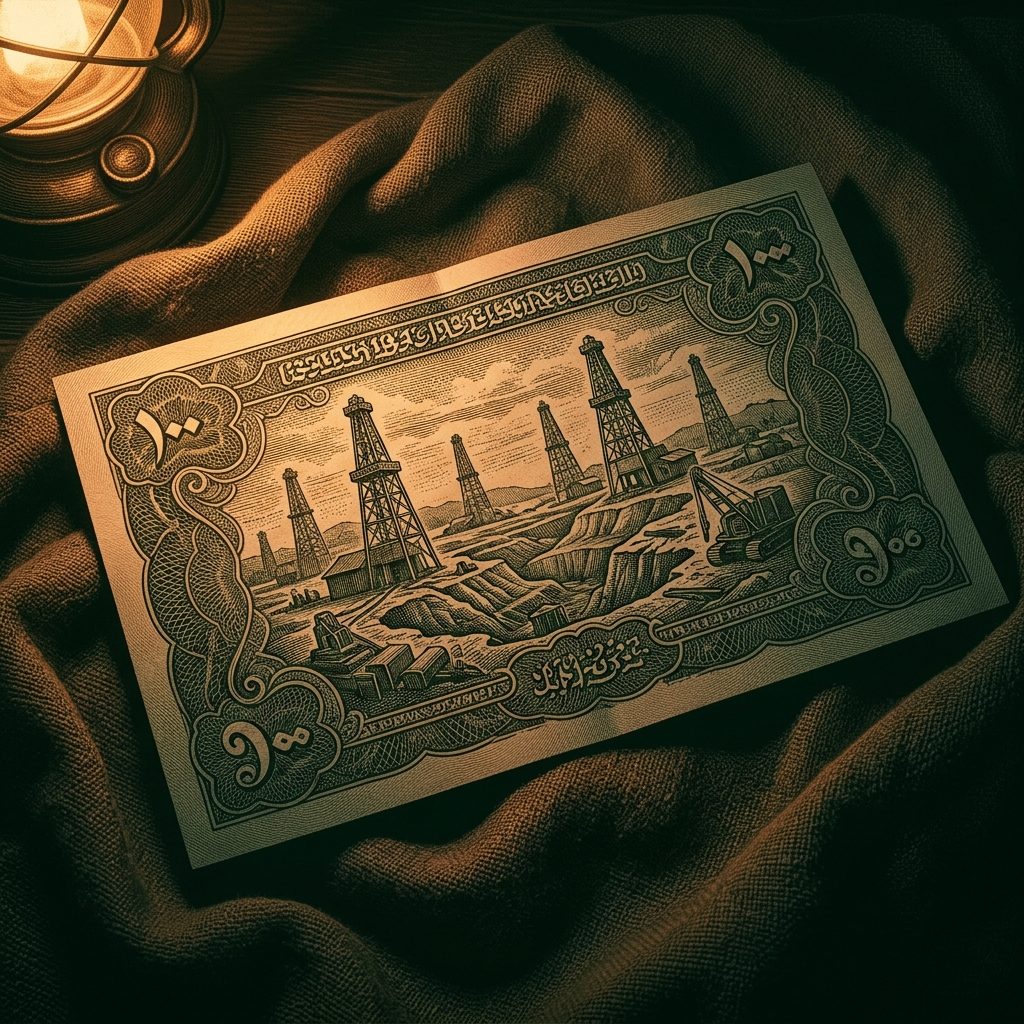
On 1 July 1959 the Central Bank of Nigeria issued Nigerian currency banknotes, and the West African Currency Board banknotes and coins were withdrawn.
Central Bank of Nigeria, 'History of Nigerian Currency' accessed 19 Jul 2026
The West African Currency Board was succeeded by the Bank of Ghana in 1958, the Central Bank of Nigeria in 1959, the Bank of Sierra Leone in 1964, and the Gambia Currency Board in 1965.
Wikipedia, 'West African Currency Board' accessed 19 Jul 2026
Where the record is thin Some sources give 1958 for Nigeria's currency, which appears to refer to the Central Bank of Nigeria Act of 1958, the legislation. The actual issuance of notes was 1 July 1959 per the Central Bank.
Republic
The notes say 'Federal Republic'
On 1 July 1962 the notes were changed to reflect republican status: the inscription at the top went from 'Federation of Nigeria' to 'Federal Republic of Nigeria'.
On 1 July 1962 the currency was changed to reflect the country's republican status, with the inscription 'Federation of Nigeria' changed to 'Federal Republic of Nigeria'.
Central Bank of Nigeria, 'History of Nigerian Currency' accessed 19 Jul 2026
Where the record is thin This event is documented on the Central Bank of Nigeria's own history page. No independent academic source was found that specifically describes the 1962 inscription change. Nigeria became a republic on 1 October 1963, so the 1962 currency change preceded formal republican status by over a year.
The civil war
New notes, as a war strategy
In January 1968, during the civil war, Nigeria reissued its 1965-series banknotes in new designs to stop the secessionist Republic of Biafra spending currency it had seized. Biafra replied by issuing its own money on 29 January 1968.
The Central Bank of Nigeria states that in 1968, during the civil war, Nigeria changed the 1965-series currency notes as a war strategy, in denominations of five pounds, one pound, ten shillings, and five shillings, while the coins issued in 1959 were retained.
Central Bank of Nigeria, '1968 currency' accessed 19 Jul 2026
The banknote historian Peter Symes records that Nigeria's Finance Commissioner announced on 30 December 1967 that new notes would replace the current notes between 3 and 22 January 1968, and stated that some 37 million pounds had been seized by the rebels in the east.
Peter Symes, banknote historian accessed 19 Jul 2026
On 27 January 1968 the Biafran leader C. Odumegwu Ojukwu signed a decree introducing Biafran currency, issued to the public on 29 January 1968.
Wikipedia, 'Biafran pound' accessed 19 Jul 2026
Where the record is thin The exact amount of Nigerian currency seized by Biafra is disputed, with estimates ranging from around 30 million to 53 million pounds.
Decimal currency
The naira and the kobo
On 1 January 1973 Nigeria became the last country in Africa to drop the pound-shilling-pence system for decimal currency. The naira replaced the pound at one naira to ten shillings (so two naira made a pound), with one hundred kobo to the naira.
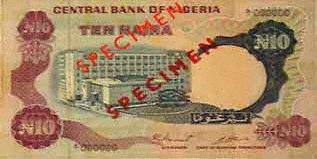
The Central Bank of Nigeria states that on 1 January 1973 Nigeria changed to decimal currency, on the recommendation of the Decimal Currency Committee set up in 1962, which reported in 1964. The one-naira unit was equivalent to ten shillings, and the kobo was the minor unit, with one hundred kobo making one naira. Notes were issued in ten naira, five naira, one naira, and fifty kobo, with coins of twenty, ten, five, one, and half a kobo.
Central Bank of Nigeria, '1973 currency' accessed 19 Jul 2026
On 31 March 1971 the then head of state, General Yakubu Gowon, announced the intention to convert to the decimal system, followed in May 1971 by the Decimal Currency Decree, which stipulated that the unit of currency would be the naira, divided into 100 kobo.
Nigerian Finder, 'History of Nigeria's currency' accessed 19 Jul 2026
Where the record is thin The Central Bank of Nigeria's own page describes the old system as 'metric', which is a small error on the CBN's part. The old pound-shilling-pence system was duodecimal, not metric.
Names
'Naira' and 'kobo'
'Naira' is widely reported as a contraction of 'Nigeria', credited to Chief Obafemi Awolowo as federal commissioner for finance. 'Kobo' is usually traced to the English word 'copper', the metal of the small colonial coins.
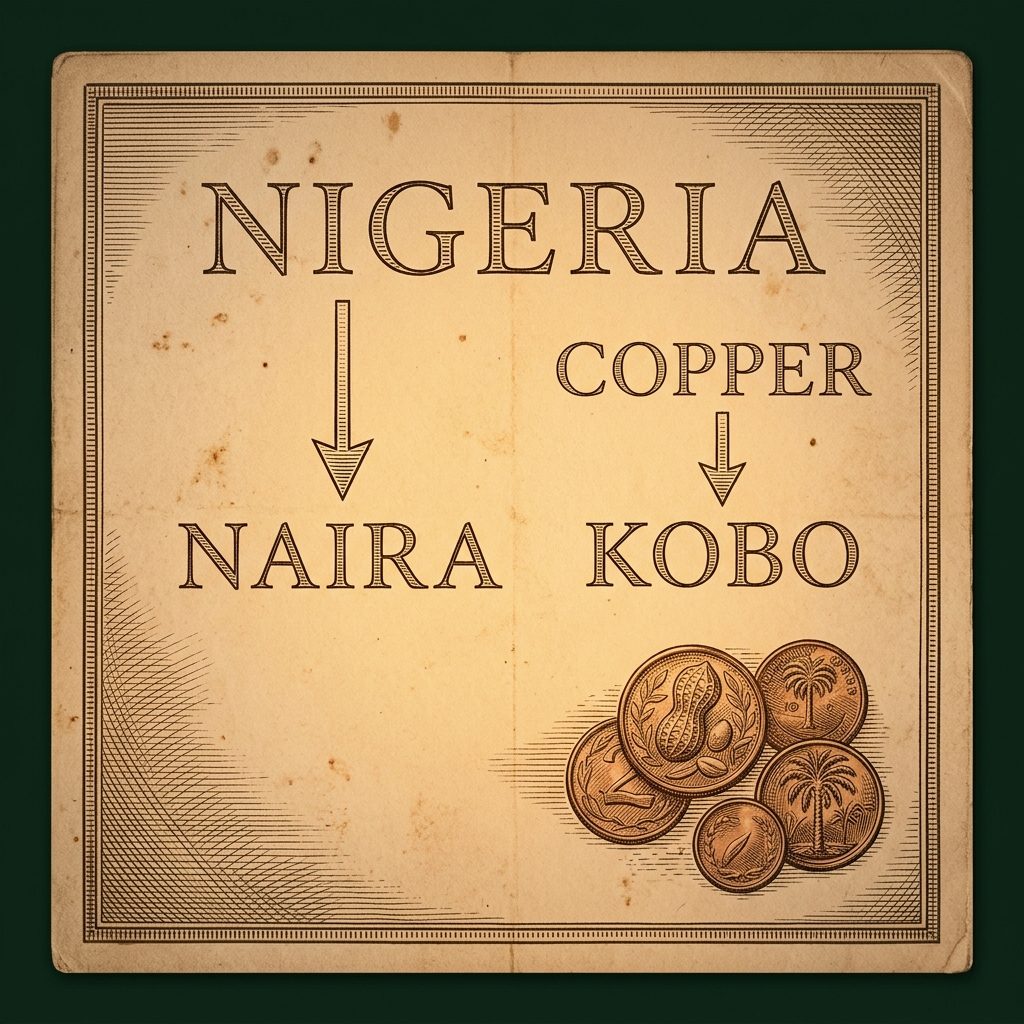
The name naira is a contraction of the name Nigeria, while the subdivision, kobo, is derived from the English word copper.
Nigerian Finder, 'History of Nigeria's currency' accessed 19 Jul 2026
Awolowo's daughter, Olatokunbo Awolowo-Dosunmu, said in a 2016 interview with the Punch newspaper that he took the name of Nigeria and collapsed it to naira while he was federal commissioner for finance.
Zikoko, citing a 2016 Punch interview with Awolowo-Dosunmu accessed 19 Jul 2026
The International Bank Note Society records that the kobo is derived from the English 'copper' penny.
International Bank Note Society, world currency names reference accessed 19 Jul 2026
Where the record is thin The Central Bank of Nigeria's own pages do not explain the origin of either name. The naira equals Nigeria story rests on a family account reported in a newspaper interview, not on a primary government document. Numismatic references note several versions of the kobo etymology, so it is not definitively settled.
Polymer
A polymer twenty naira
On 28 February 2007 the Central Bank of Nigeria put the twenty naira on polymer for the first time, reissued the fifty, ten, and five naira notes and the one naira and fifty kobo coins in new designs, and added a two naira coin.
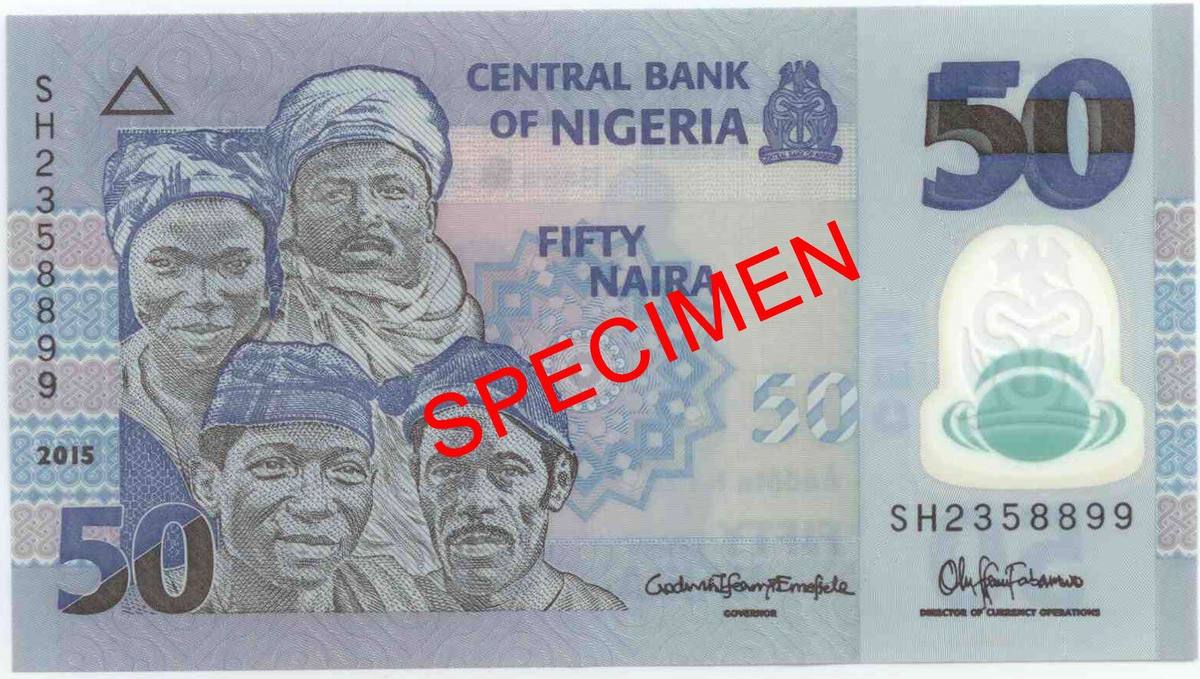
On 28 February 2007, as part of economic reforms, the Central Bank of Nigeria issued the twenty naira on polymer substrate for the first time, while the fifty, ten, and five naira notes and the one naira and fifty kobo coins were reissued in new designs, and the two naira coin was introduced.
Central Bank of Nigeria, 'History of Nigerian Currency' accessed 19 Jul 2026
On 30 September 2009 the redesigned fifty, ten, and five naira notes were converted to polymer substrate, following the performance of the twenty naira polymer note, so that all lower denomination notes were printed on polymer.
Central Bank of Nigeria, 'History of Nigerian Currency' accessed 19 Jul 2026
BanknoteNews confirms that on 28 February 2007 the Central Bank of Nigeria issued redesigned notes for the 5, 10, 20, and 50 naira denominations, with the 20 naira on polymer.
BanknoteNews (Owen Linzmayer) accessed 19 Jul 2026
Where the record is thin Only the twenty naira note was polymer at launch. The five, ten, and fifty naira notes were redesigned on paper on that date and converted to polymer in September 2009.
Centenary
A commemorative one hundred naira
On 19 December 2014 the Central Bank of Nigeria issued a commemorative one hundred naira note marking one hundred years since the 1914 amalgamation of the northern and southern protectorates. President Goodluck Jonathan unveiled it on 12 November 2014.
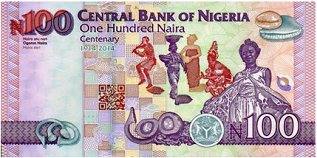
The commemorative one hundred naira centenary banknote was unveiled by the president on 12 November 2014 and issued into circulation on 19 December 2014 to celebrate the centenary of Nigeria's existence. It is similar to the regular issue, with the portrait of Chief Obafemi Awolowo on the front.
Central Bank of Nigeria, gallery of the one hundred naira note accessed 19 Jul 2026
The Central Bank governor presented the note on 12 November 2014, saying it commemorates 100 years since the amalgamation of the northern and southern protectorates in 1914. The back of the note carries a QR code in place of the Zuma Rock image of the regular issue.
The Nation newspaper (Nigeria), 12 November 2014 accessed 19 Jul 2026
Today
Eight notes, five coins, and eNaira
Nigeria's money today, as recorded by the Central Bank, is five coin denominations and eight banknote denominations, plus the eNaira digital currency. The kobo coins are largely out of use because they are worth so little.
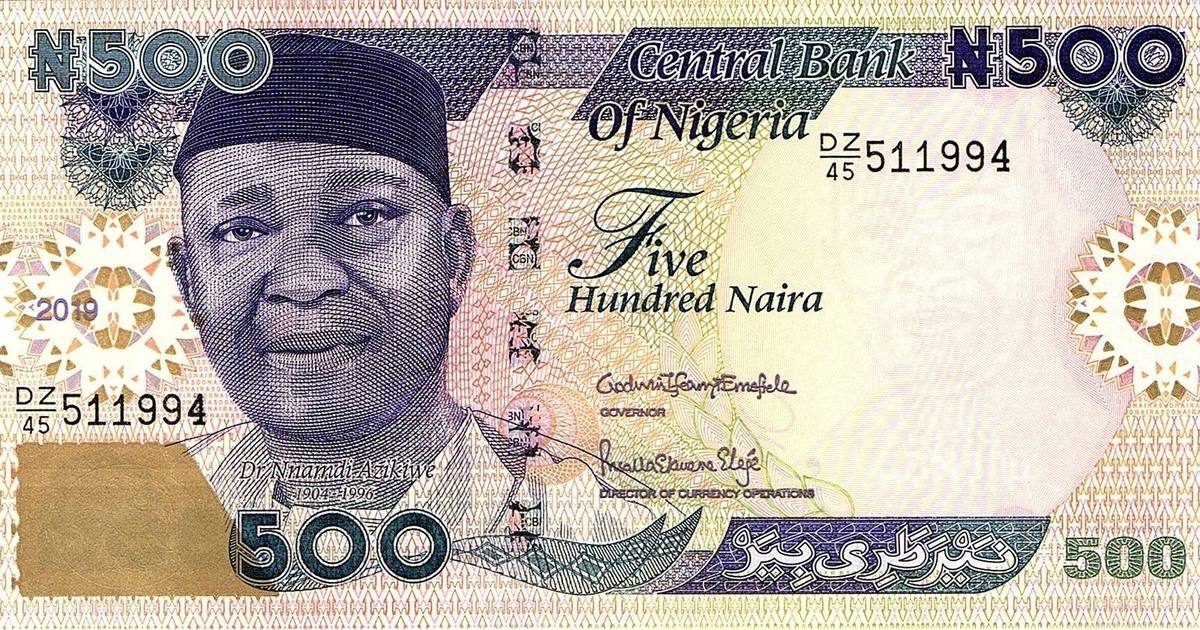
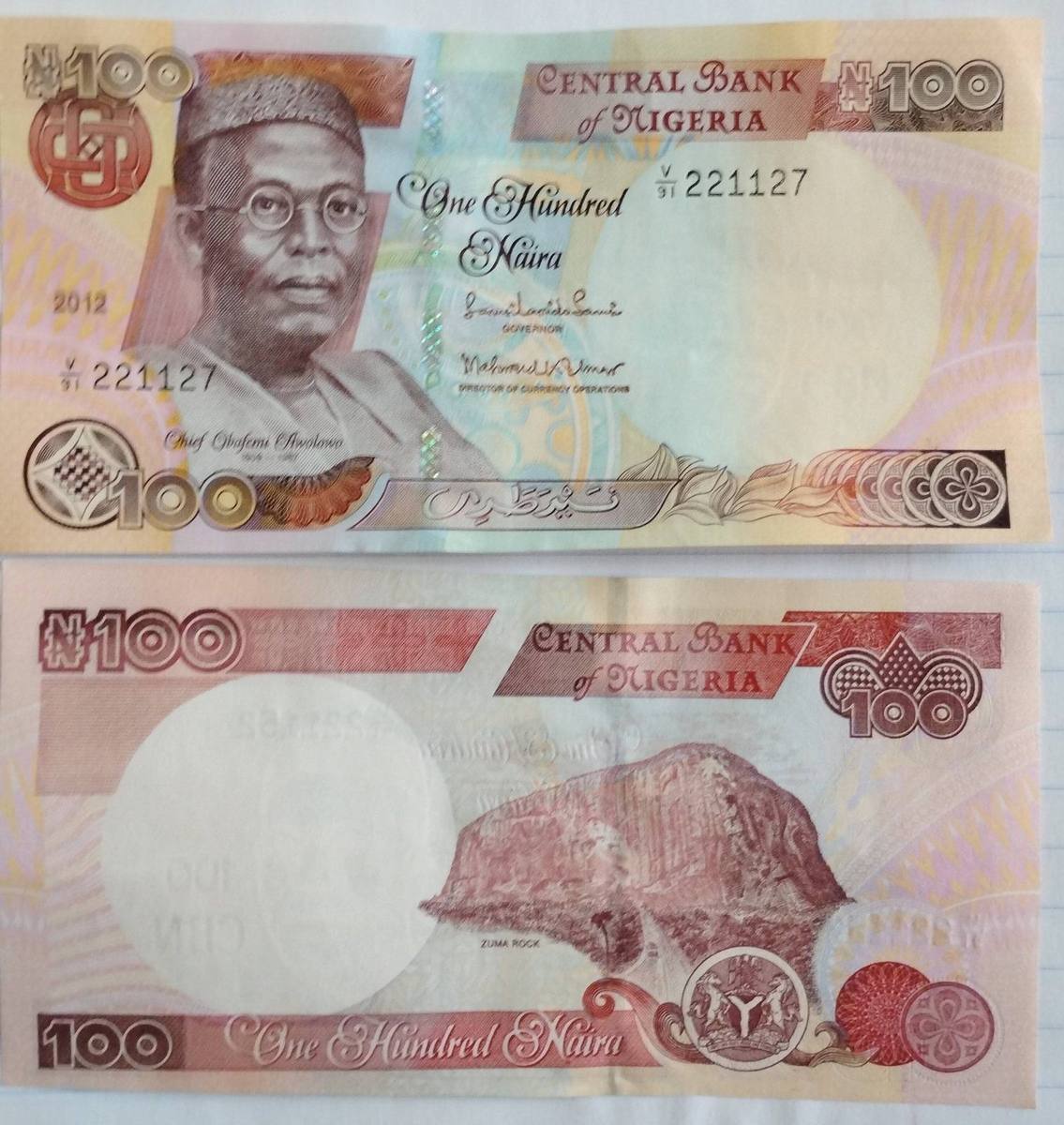
The currency structure comprises five coin denominations (1 kobo, 10 kobo, 50 kobo, 1 naira, and 2 naira), eight banknote denominations (5, 10, 20, 50, 100, 200, 500, and 1000 naira), and a central bank digital currency, the eNaira. The Central Bank is the sole issuer of legal tender currency in Nigeria under the CBN Act, Section 2(b).
Central Bank of Nigeria, 'Legal tender' accessed 19 Jul 2026
You will not find many kobo in circulation today because of their low value. Coin denominations in practical use are 50 kobo, 1 naira, and 2 naira.
Western Union, Nigeria currency guide accessed 19 Jul 2026
Where the record is thin The Central Bank's page lists 1 kobo and 10 kobo as current coin denominations, while practical guides list only 50 kobo, 1 naira, and 2 naira as coins in use. The smaller kobo are technically legal tender but not in practical circulation.
Why this matters for the naira in your hand.
The naira is younger than most people assume. It was born on the first day of 1973, which means every naira in circulation today is part of a story that is only about fifty years old, sitting on top of centuries of cowries, manillas, a London-issued colonial pound, and a wartime currency swap. Knowing that history does not tell you what the naira will do next. It tells you what money here has already survived, and that is a different kind of useful.
This page is research and education. It is not financial advice, and nothing here is a recommendation to buy, sell, or hold anything. Every figure and date carries its source above, checked on 19 Jul 2026. Where the historical record is thin or disputed, the page says so rather than smoothing it over.