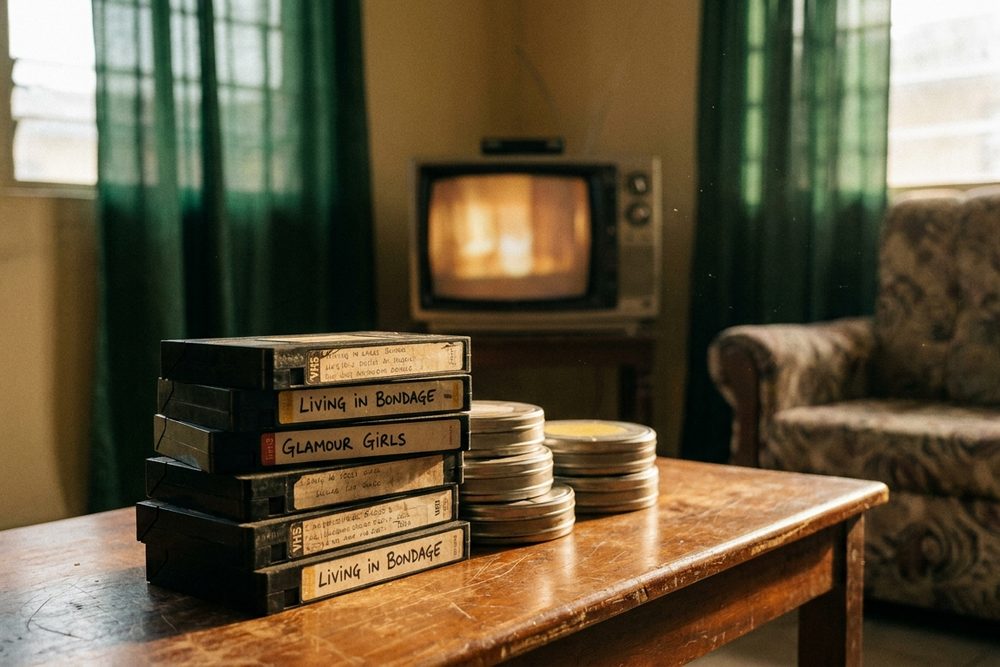
If you grew up in Nigeria in the 1990s or early 2000s, you already know the sound. An okada weaving through traffic with three people on it. A danfo conductor shouting a destination you half heard. And on every road into a market town, a row of tokunbo cars with chalk prices on the windscreen. Brand new cars were for people on television. Everybody else bought somebody else's car, from another country, already used.
If you grew up abroad, the memory has a different shape but the same cars inside it. The uncle who still drives the Camry he shipped home years ago. The auntie who measures a good year by whether she can replace the family car. The family group chat arguing which Japanese model survives Nigerian roads. For a lot of diaspora children, the car is how the family back home is supposed to look like it is doing well.
The car company every Nigerian can name is still private.
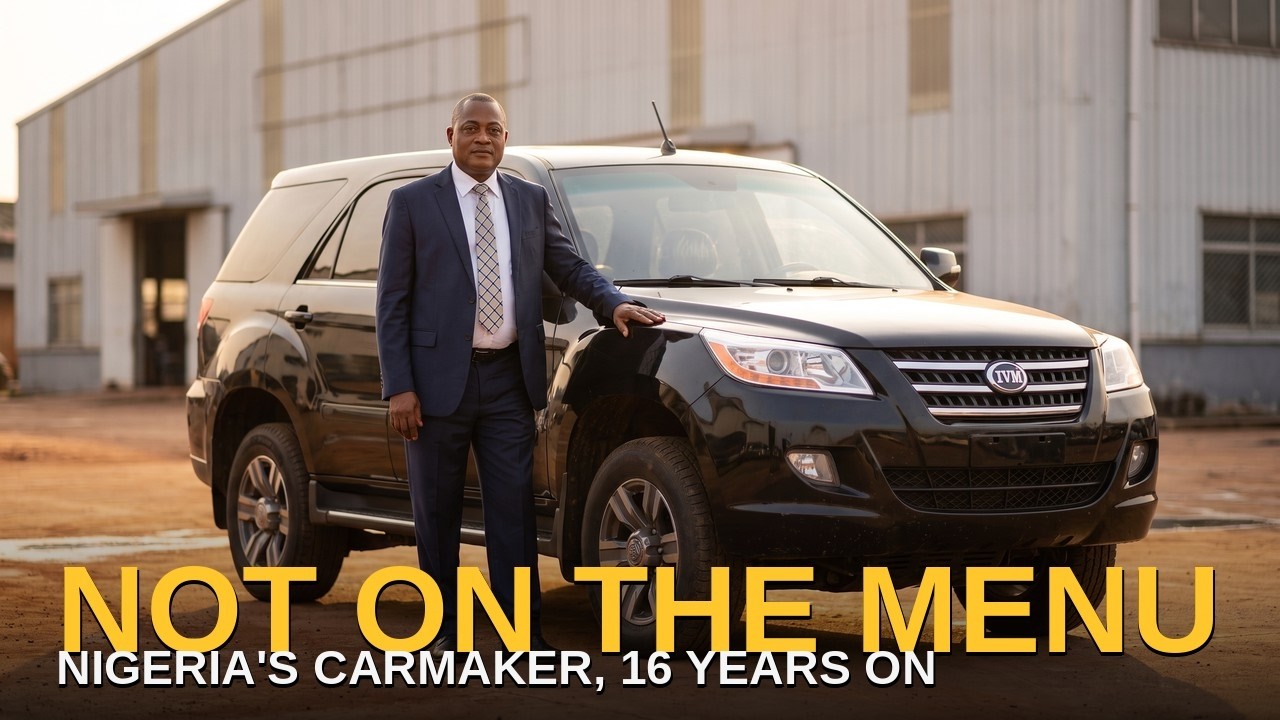
All of it sits next to a company most Nigerians can name without thinking. Innoson. The brand on the buses state governments buy. The plant in Nnewi that Nigerian presidents have commissioned and visited. The company that insists a car can be made here, not only imported. And next to that name sits a quieter fact: you still cannot buy a share of it.
The story starts in a market, not a boardroom. Innocent Ifediaso Chukwuma was born on 1 October 1961 in Uru-Umudim, Nnewi. He finished secondary school in 1978 wanting to study engineering and missed the cut. He apprenticed with Chief Romanus Eze Onwuka, better known as Rojenny, then the biggest motorcycle spare parts dealer in the Nnewi market. His elder brother gave him 3,000 naira to trade parts. In 1981 he struck out alone with 20,000 naira and the name Innoson Nigeria Limited. The move that built the fortune was almost insultingly simple. Importers shipped fully assembled motorcycles, about forty to a forty foot container, and sold a new unit for around 150,000 naira. Chukwuma shipped them in pieces, packed as many as 200 into the same container, and hired local technicians to bolt them back together. He sold brand new machines for 70,000 to 80,000 naira, later toward 60,000, undercutting both the big importers and the tokunbo bikes on the street. By his own later telling, that price war pushed used foreign motorcycles out of the Nigerian market. He built a plastics factory in Enugu so the plastic parts no longer had to travel, and in 1995 opened a fully automated motorcycle assembly plant in Nnewi, the first fully indigenous one in the country.
Cars came next for a reason that still reads clearly. Motorcycles can be banned. Cars cannot. He founded Innoson Vehicle Manufacturing in Nnewi. Then President Goodluck Jonathan commissioned the plant on 15 October 2010. Early orders from Anambra under Governor Peter Obi, about 1,000 pickups, buses and SUVs, gave the brand a public proof point. The company says local content in its vehicles is not less than 65 percent, with engines and gearboxes still imported. By its thirteenth anniversary in 2023, it said factory upgrades had lifted annual capacity from 10,000 vehicles to 60,000. In 2022 it began building compressed natural gas buses, and in 2024 it announced a new plant aimed at 30,000 CNG buses and trucks a year.
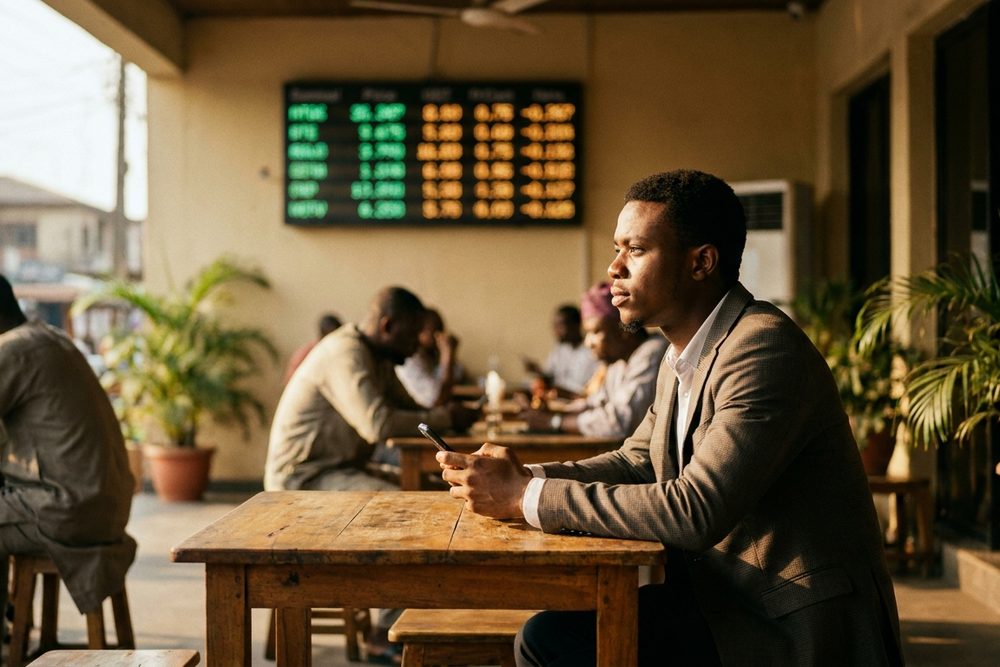
Now hold that factory next to the market where ordinary people buy ownership. The Nigerian Exchange in Lagos is where companies sell shares to the public. Banks are there. Cement makers are there. Telecoms are there. The auto names you can actually trade are mostly distributors and related firms, not a full indigenous carmaker. R.T. Briscoe, listed since 1974, sells and services Toyota and other brands. It is not Innoson. DN Tyre and Rubber was delisted on 9 April 2026 for failing listing standards. And Innoson Vehicle Manufacturing is not on the list. The car company every Nigerian can name is still private.
That is not a mystery. Listing requires audited books, a free float the public can trade, and a process that can take years. In May 2025, on Channels Television, Chukwuma said the company was about 97 percent through the process of going public. As of early August 2026, that listing has not appeared. A promise of almost done is not a ticker you can search. Here is what none of this means. It does not mean there is an Innoson share to buy today. There is not. It does not mean a future listing is certain, or that any share price would reward a buyer. What the story shows is simpler. Nigeria already has a carmaker people recognise, built from a spare parts stall in Nnewi, still owned the way it started: privately. Until that changes, the cars can be Nigerian and the ownership still cannot be yours.
The video this piece accompanies walks through the full argument. This page keeps the part the research had to keep specific: the tokunbo windscreen, the 3,000 naira start, the 97 percent claim that is still not a ticker. You already knew the brand. The investing question is why knowing it has never been enough.
Sources
- Official Innoson timeline: apprenticeship, Gabros capital, 1981 start, 1995 motorcycle plant, February 2009 first made-in-Nigeria vehicle. Innoson Vehicle Manufacturing Company history page. Accessed 7 Aug 2026.
- Chukwuma biography: born 1 October 1961, Uru-Umudim Nnewi; N3,000 and N20,000 starts; container packing and price cut from about N150,000 to N60,000. Vanguard By Akintayo Eribake, 22 Mar 2014. Accessed 7 Aug 2026.
- Plant commissioned 15 October 2010 by President Goodluck Jonathan; early Anambra order of about 1,000 vehicles under Governor Peter Obi. Innoson Vehicle Manufacturing 13th anniversary note, 15 Oct 2023. Accessed 7 Aug 2026.
- Factory capacity raised from 10,000 to 60,000 vehicles a year after automation upgrades. Daily Trust By Abdullateef Aliyu, 17 Nov 2023. Accessed 7 Aug 2026.
- Local content in Innoson vehicles not less than 65 percent; engines and gearboxes still imported. THISDAY Interview with Innocent Chukwuma, 4 Nov 2023. Accessed 7 Aug 2026.
- New CNG plant aimed at 30,000 buses and trucks a year. Businessday By Amaka Anagor-Ewuzie, 21 May 2024. Accessed 7 Aug 2026.
- Chukwuma says Innoson is about 97 percent through the process of going public. Channels Television By Nosakhale Akhimien, 20 May 2025. Accessed 7 Aug 2026.
- Same 97 percent listing claim reported from the Channels interview. THISDAY Published 24 May 2025. Accessed 7 Aug 2026.
- R.T. Briscoe listed on the Nigerian Exchange since 15 March 1974; sells and services Toyota and other vehicles, not an indigenous carmaker. Nigerian Exchange Group / company filing Company financial statements for year ended 31 Dec 2025. Accessed 7 Aug 2026.
- NGX delisted DN Tyre and Rubber Plc effective 9 April 2026 for operating below listing standards. Investogist By Ifunanya Ikueze, 9 Apr 2026. Accessed 7 Aug 2026.
- Recent profile of Chukwuma's path from Nnewi market stall to indigenous carmaker. Billionaires.Africa Published 29 Jun 2026. Accessed 7 Aug 2026.
Spotted something wrong? Report a correction. Every fix is logged in the open corrections record.