Watch the video this article accompanies On the Naira Journal YouTube channel →

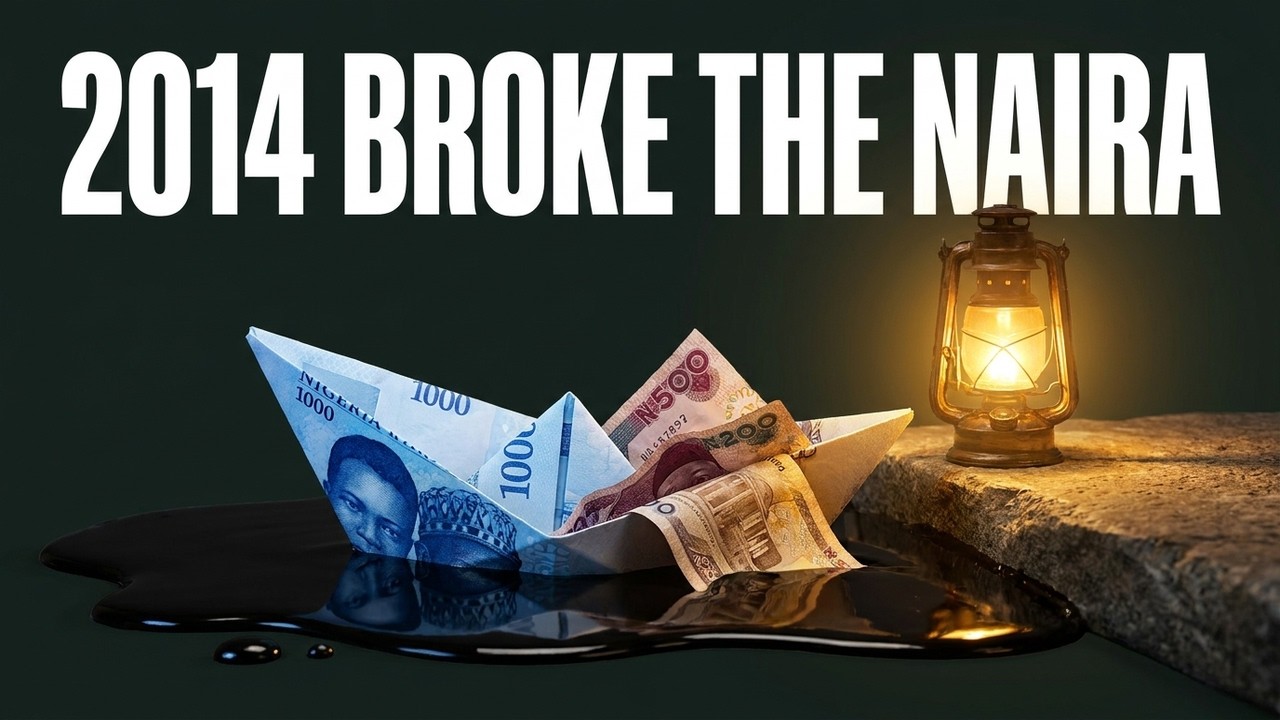
The naira did not lose half its value because oil crashed in 2014. It lost half its value because of how Nigeria answered the crash. Between mid 2014 and the end of 2016, the official exchange rate moved from about 160 naira per dollar to more than 305, and the street rate went far further. Three decisions, made in Abuja between 2014 and 2016, turned one bad year for oil into two years in which Nigeria's money halved. The third decision, a float that came too late, still shapes every naira anyone plans to invest today.

Naira Journal is an independent research publication. Nothing here is financial advice. It is diaspora and home-grown research into investing in Nigeria, shared openly as education.

Why one commodity could break a currency

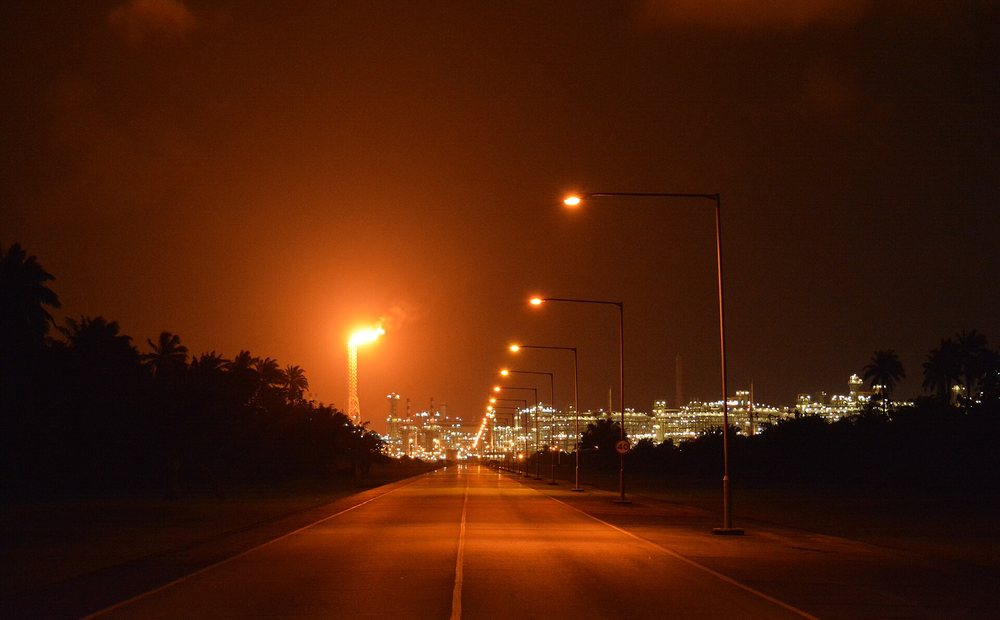
Nigeria earns most of its foreign currency by selling crude oil. In 2014, oil brought in around 90 percent of the country's export earnings and roughly two thirds of government revenue. Nigeria's flagship crude even has its own name, Bonny Light, graded and priced out of the export terminals of the Niger Delta. When Bonny Light sells high, dollars flow into the country. When it sells low, the dollars dry up.

Those dollars fed a second machine: the exchange rate. Through 2014, the Central Bank of Nigeria, the institution that manages the naira, held the currency in a narrow band around 155 naira to one dollar. That arrangement is called a peg. The central bank promises a price for the dollar and defends that price using its foreign reserves, which are the country's savings account of dollars set aside for exactly this job. In mid 2014, those reserves stood at roughly 37 billion dollars. Godwin Emefiele had taken over as central bank governor that June, only weeks before the test arrived.

The test came fast. In the middle of 2014, a barrel of Nigerian crude sold for about 112 dollars. By December 10 of that year, Bonny Light had fallen to 61 dollars. By January 2016, it traded below 30. The dollars feeding the peg were vanishing. What happened next was not automatic. It was chosen.

The three decisions

Decision one: defend the price

Through the second half of 2014, the central bank did what a peg's rulebook says. It sold dollars from the reserves to hold the naira at the promised rate. Every week the oil price slid, that defence got more expensive. By late November 2014 the bank gave ground. It moved the official rate from about 155 to 168 naira per dollar, a devaluation of roughly 8 percent, and raised its benchmark interest rate to 13 percent to make holding naira more attractive. A devaluation is simply the official admission that the promised price was too generous.

The market read it as something else: the first admission that more was coming. Importers, savers, anyone with a bill due in foreign currency rushed to buy dollars before the next drop. The defence got harder, not easier.

Decision two: ration the dollars instead of repricing them

In February 2015, the central bank closed its official auction window, and the rate settled around 197 naira to the dollar. Then, in June 2015, it published a list of 41 categories of imports that would no longer get dollars from the official market at all. Cement made the list. So did toothpicks. The logic was to save the reserves for essentials. The effect was to push everyone else into the parallel market, the street market of bureau de change traders where dollars sell at whatever price the day demands.

A gap opened between the official rate and the street rate, and that gap became the real story of Nigerian money for the next two years. President Muhammadu Buhari, who took office in May 2015, backed the hard line, saying publicly that devaluing further would kill the naira. The central bank held the official rate near 197 through the whole of 2015 and into 2016 while the street price climbed past 250, then past 300. The reserves kept draining. Everyone back home remembers what that year felt like on the ground: the fuel queues, the price of a bag of rice, the bank that had no dollars to give.

Decision three: the float that came too late

One date keeps surfacing in the research: June 20, 2016. That was the day the central bank abandoned the peg and let the naira float, meaning the market, not the bank, would now set the price. In one day, the official rate went from 197 to around 280 naira per dollar, a fall of nearly 30 percent in a single trading session.

Put the two ends side by side. In mid 2014, one dollar cost about 160 naira. By the end of 2016, one dollar cost more than 305 at the official rate. The naira had lost half of its official value in roughly two years. On the street, where most people actually found their dollars, it lost far more: the parallel rate was heading toward 490 by early 2017.

The damage beyond the exchange rate

The crash did not stay inside the currency market. In 2016, Nigeria's economy shrank by about 1.6 percent, the first full-year contraction in roughly 25 years. That is what a recession is: the whole economy getting smaller, with jobs, orders and salaries shrinking inside it. Inflation, the speed at which prices rise, climbed above 18 percent by early 2017. And the reserves that stood near 37 billion dollars in mid 2014 had thinned to around 24 billion.

Two savers, one crash

The saver at home

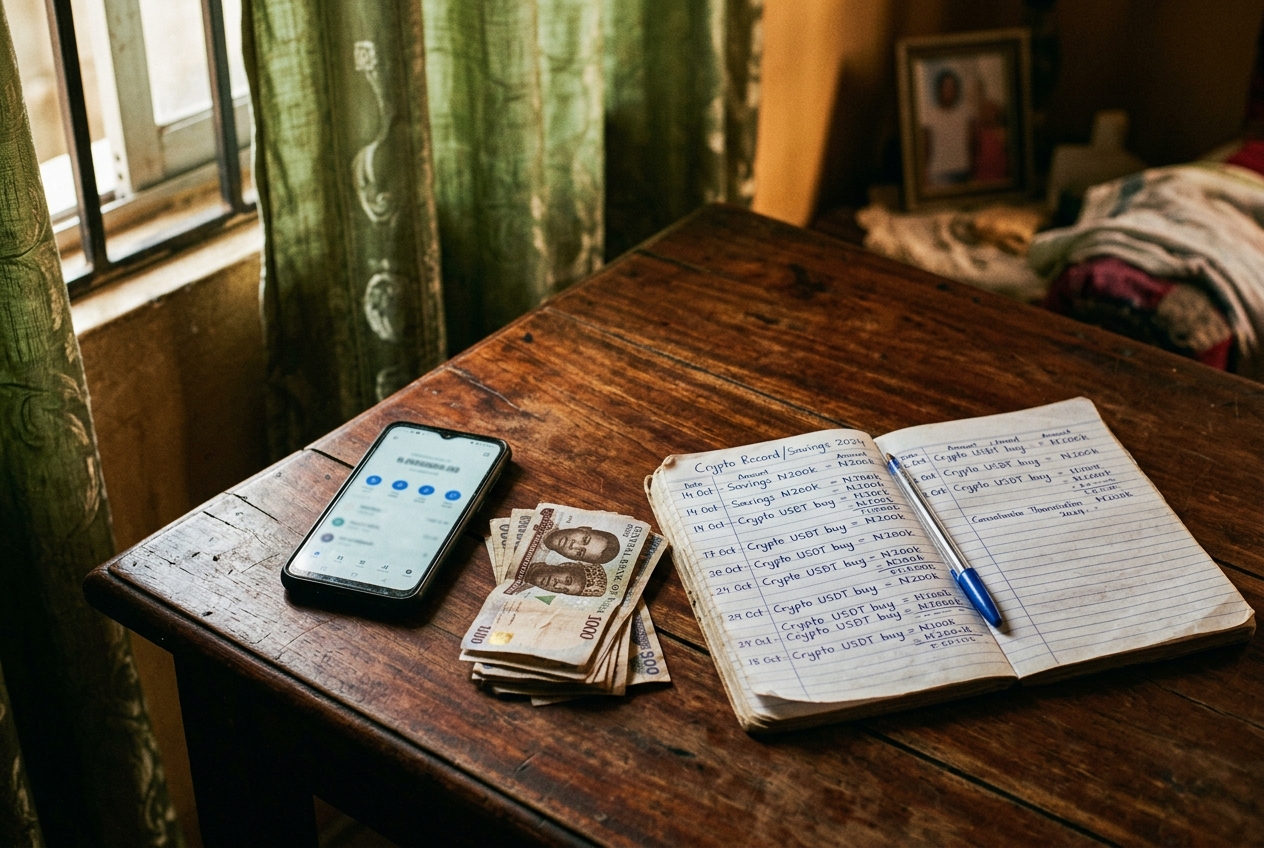
The home-resident story comes first because it is the harder one. Someone earning and saving in naira, a teacher in Jos or a civil servant in Owerri, kept the same digits in their savings account through the crash. One million naira in 2014 was still one million naira in 2016. But measured in dollars, that million went from about 6,250 dollars to roughly 3,270. Everything imported repriced against them: fuel, medicine, phones, school books. Nothing about their behaviour was wrong. The unit their whole life ran on had been cut in half underneath them. And when they needed dollars for fees or travel, the official rate was mostly theoretical; the street rate was the one they could actually get.

The saver abroad

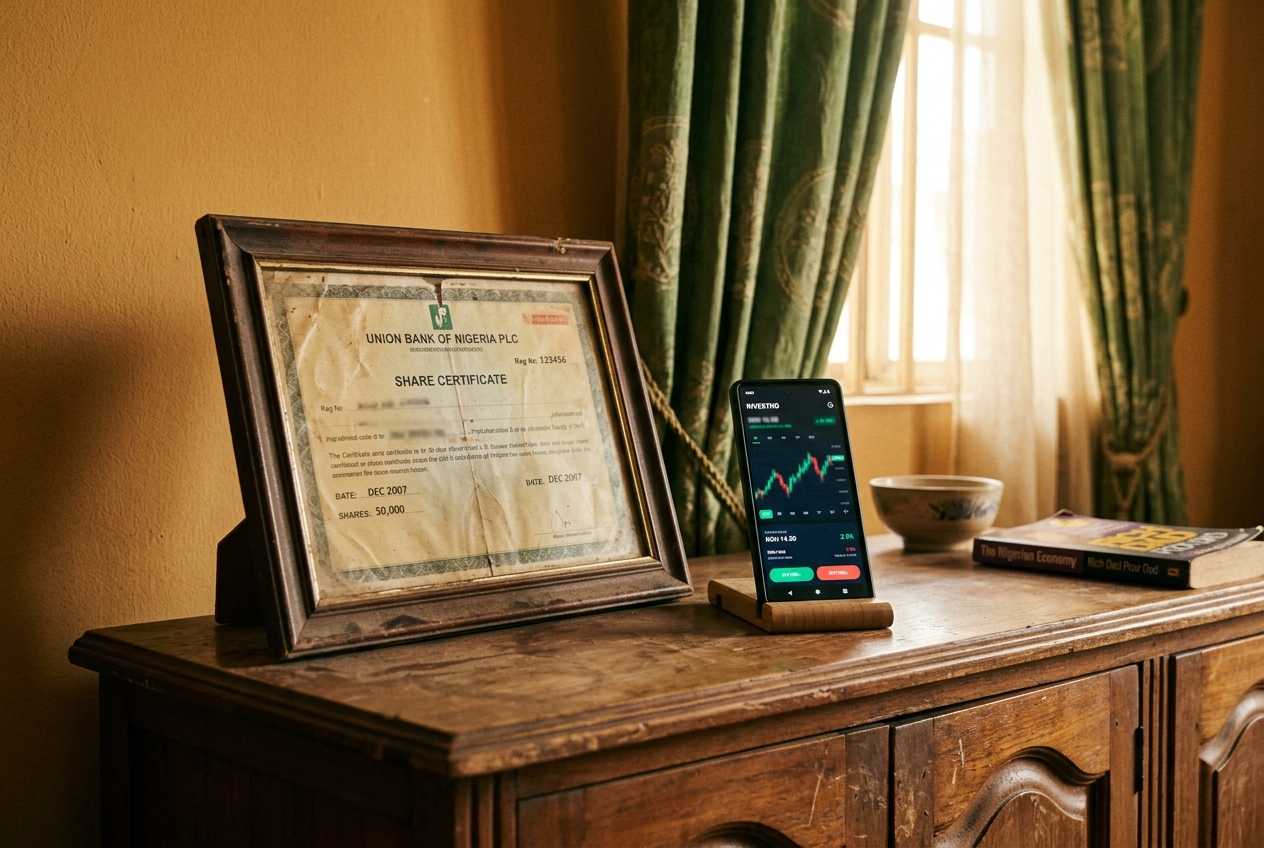
The diaspora story looks like the opposite, and that is the trap. Anyone earning in British pounds, American dollars or euros found that every transfer home suddenly bought more naira. On paper the money went further. But three frictions ate the gain. Family costs rose with inflation, so the lists grew longer as the rate got better. Banks short of dollars delayed transfers and froze withdrawals from domiciliary accounts, the Nigerian bank accounts that hold foreign currency. And anyone who had already put money into Nigerian assets learned the hardest lesson of all: even a saver whose naira grew 20 percent across those two years ended up deeply down in dollar terms, because the naira itself had halved.

The lesson that outlived 2016

That lesson echoed again when the naira was floated a second time in 2023 and moved beyond a thousand to the dollar. A naira number is only half a number. The other half is the exchange rate, and sitting underneath the exchange rate, always, is the oil price. It is why every figure this journal researches gets the dollar math placed next to it.

What it means for your naira

The machine that produced 2014 to 2016 is still the machine Nigeria runs on: oil pays the bills, and the exchange rate carries the shock when oil stumbles. That points to three plain habits, none of which requires anyone to buy or sell anything.

For those saving and earning at home, a naira balance is not fully measured until the exchange rate sits next to it, and the rate that matters is the one actually available, not the headline one. For those of us sending money or investing from abroad, a Nigerian return only counts after it is converted back into the currency the bills are paid in. And for everyone, the check is the same: when a naira return catches the eye, look at what oil is doing underneath it. The 2014 crash did not halve the naira on its own. The response did. Watching both, the oil price and the policy answer to it, is the closest thing to an early warning any naira saver gets.

Sources

  1. Nigerian economy slips into recession - BBC News. BBC Accessed 2026-07-03T13:34:11.949564+00:00.
  2. Can Nigeria Endure Falling Oil Prices? | Council on Foreign Relations. Council on Foreign Relations Accessed 2026-07-03T13:34:11.949564+00:00.
  3. Oil price and USD-Naira exchange rate crash: Can economic diversification save the Naira? - ScienceDirect. ScienceDirect Accessed 2026-07-03T13:34:11.949564+00:00.
  4. Opinion | Key facts about the great oil crash of 2014 - The Washington Post. Washington Post Accessed 2026-07-03T13:34:11.949564+00:00.
  5. Ending Nigeria’s Oil Dependency: Not If, But When…and How | Natural Resource Governance Institute. Natural Resource Governance Institute Accessed 2026-07-03T13:34:11.949564+00:00.